
Hatsune Miku & Piapro Characters · Figure guide
Kagamine Rin Figure
Kagamine Rin can take the lead in a song, answer Len in a duet or become a character in a producer’s story. Her white ribbon and blond bob remain familiar, while the voice and artwork around them can change the mood completely.
A Kagamine Rin figure may recall the original virtual singer or a particular creative work. Understanding that distinction leaves room for her bright stage presence and the more dramatic roles listeners encounter in her songs. Neither needs to become her one permanent personality.
Story and characterFigure selection
Fabric-clothed doll
Good Smile Company · Harmonia humming
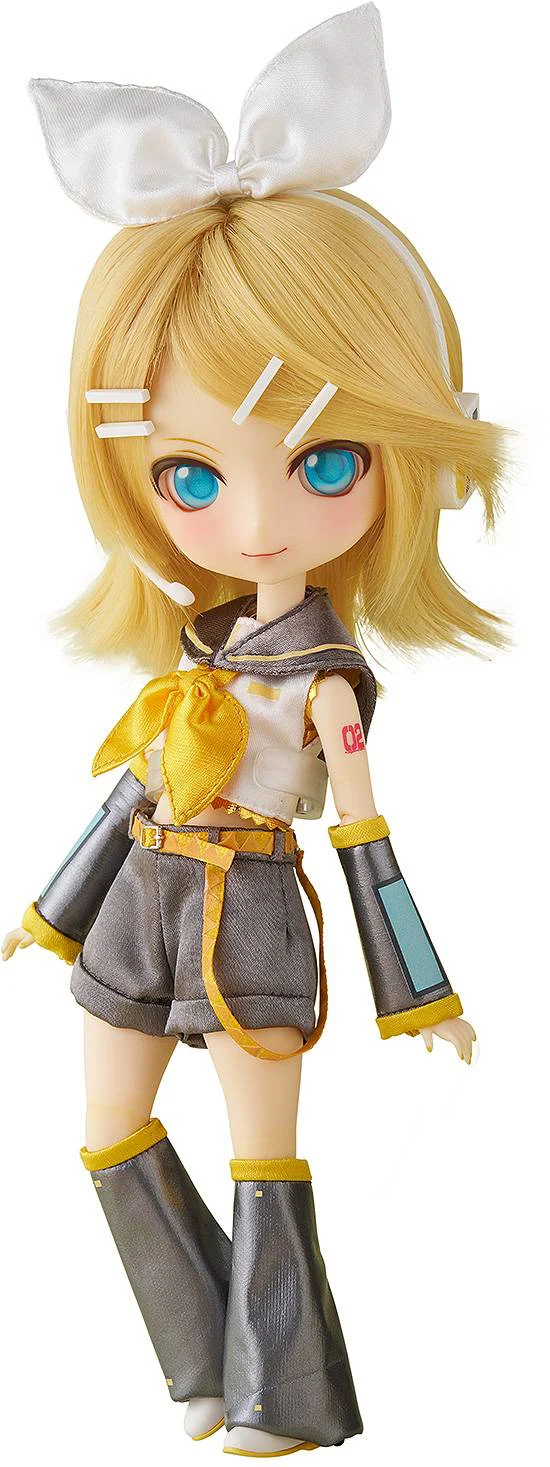
Harmonia humming Rin
View this dollA wig, fabric clothing and adjustable eyes distinguish the Harmonia humming doll from the two sculpted figures.
The articulated body and gaze let you arrange her presentation. Read the included outfit, supports and handling instructions before planning clothing changes.
Rin 2.0 Nendoroid
Good Smile Company · Nendoroid 2840
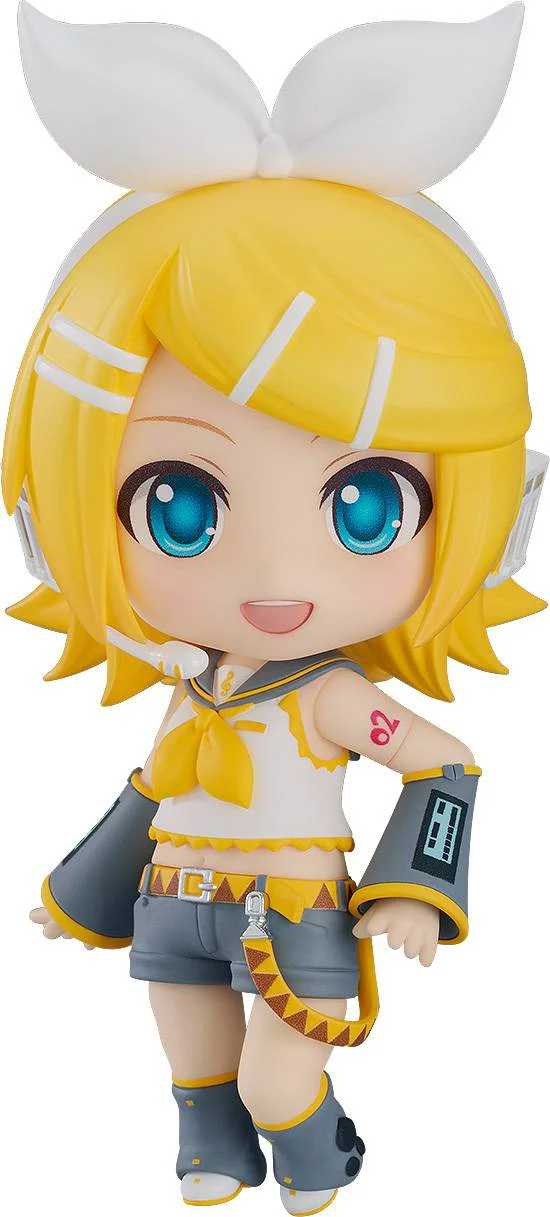
Nendoroid 2840 Rin 2.0
View this figureThe large ribbon and yellow-accented costume in compact Nendoroid proportions.
This is release 2840. Its supplied faces, hands and supports determine the expressions and poses you can make.
Seated desk companion
MegaHouse · Look Up
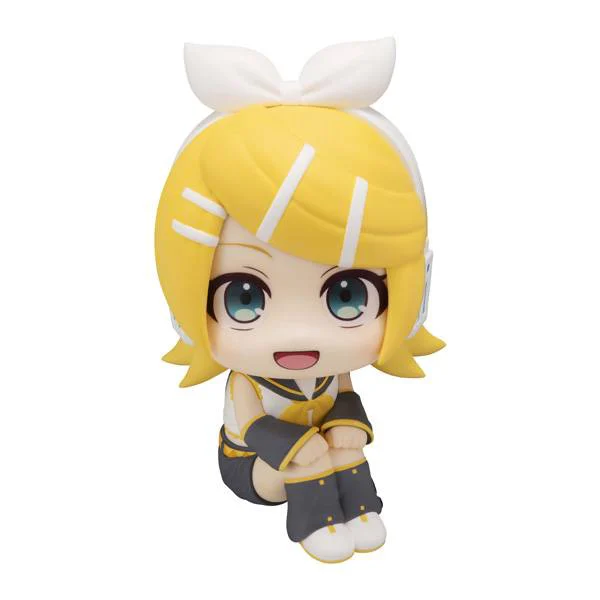
Look Up Kagamine Rin
View this figureRin sits with her face turned upward and her white ribbon clearly visible.
Look Up keeps the seated body pose. Check the overall height, including the ribbon, if it will sit beneath a monitor or shelf.
Story and character
One release, two distinct singers
Crypton Future Media released Kagamine Rin and Kagamine Len together in December 2007. Asami Shimoda supplied the recordings for both voices. The shared software package introduced two recognizable performers, each with a separate vocal identity and character design.
Rin’s large ribbon, short hair and orange-yellow accents distinguish her from Len. KEI’s design makes their connection visible without making their appearances identical. That balance gives artists a pair they can bring together while leaving either singer recognizable alone.
Rin and Len share releases and performances, but each also has solo work. A duet can present a conversation, an argument or two parts of the same account. Their roles and relationship in that song belong to the work itself, rather than a fixed biography that explains every later appearance.
When Rin takes a role in a story
Mothy’s The Daughter of Evil is a clear example of a song giving Rin a specific part. She appears as the princess at the center of its story, with clothing and a setting that belong to that fictional world.
The role changes what an expression or a costume means. A regal appearance can recall the song’s character rather than Rin’s original software illustration. It is a performance with its own narrative context.
Other creators can use the same singer for very different material. There is no need to carry the princess’s history into every Rin illustration, just as a performer’s part in one work does not explain every later appearance. The title and creator give the necessary connection.
Costumes made for a performance
Game costumes and concert artwork add further interpretations. Their clothing can be devised for a particular number or visual theme while preserving the features that identify Rin. An unfamiliar outfit is not automatically a later stage in her life.
Rin’s ribbon identifies her at a glance. The song, stage or illustration behind an appearance explains the rest, including why the character can feel so different from one creative work to another.